

Postpartum Warning Signs: When to Seek Emergency or Same-day Help
Key message: Recovery after birth includes tiredness, cramps and bleeding that gradually reduces. Serious complications can begin after…
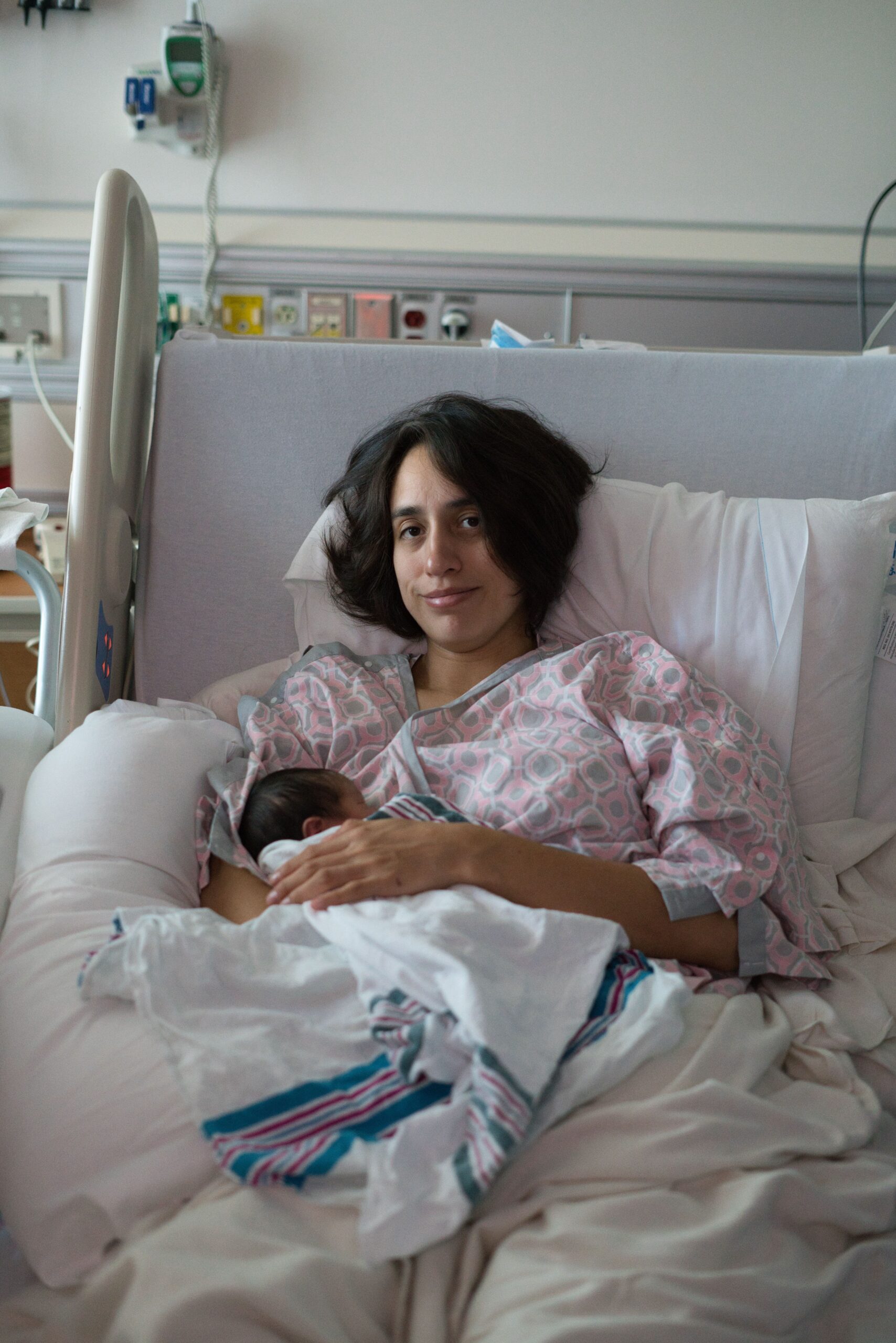
Key message: Recovery after birth includes tiredness, cramps and bleeding that gradually reduces. Serious complications can begin after leaving hospital, so the mother and family should know which symptoms need emergency or same-day help.
Get urgent help: Call emergency services or attend emergency care now for sudden breathlessness or chest pain, coughing blood, collapse, a seizure, severe confusion or hallucinations, thoughts of harming yourself or the baby, uncontrolled heavy bleeding, or severe rapidly worsening pain.
Which symptoms are emergencies now?
- Sudden unexplained difficulty breathing, chest pain or tightness, coughing blood, collapse or feeling about to faint.
- A seizure, loss of consciousness, sudden weakness, difficulty speaking, severe confusion or the worst sudden headache.
- Heavy vaginal bleeding that rapidly soaks protection, pours continuously or causes dizziness, pallor, weakness or large clots.
- Severe or rapidly increasing abdominal, pelvic, wound or chest pain.
- Hallucinations, delusions, extreme overactivity, severe confusion, or thoughts or plans of harming yourself or the baby.
- A baby appearing seriously unwell should follow the newborn emergency pathway separately.
What bleeding is expected after birth?
Lochia commonly continues for several weeks and should gradually reduce and change from red to brown or pink and then pale.
Bleeding can briefly increase with activity or breastfeeding, but a sudden sustained increase, repeated large clots, rapidly soaked pads, dizziness or weakness needs urgent assessment. Significant secondary bleeding can occur after discharge and should not be managed through routine messaging.
What are warning signs of infection?
Infection can worsen quickly. Same-day assessment is needed rather than waiting for the next routine postnatal appointment.
- A temperature of 38°C or above, chills or feeling flu-like and unwell.
- Increasing lower-abdominal or pelvic pain.
- Offensive-smelling vaginal discharge.
- A caesarean or perineal wound becoming more red, hot, swollen, painful, open or discharging pus.
- Persistent urinary pain, inability to pass urine or worsening kidney-area pain.
- A painful red breast with fever or systemic symptoms.
Can pre-eclampsia begin after birth?
Yes. Pregnancy-related high blood pressure can first appear or worsen after delivery, including after a pregnancy without a previous diagnosis.
A severe persistent headache, blurred vision or flashing lights, severe pain below the ribs or upper abdomen, new vomiting, marked swelling, breathlessness or a blood-pressure reading in the severe range needs urgent maternity or emergency assessment.
What are the warning signs of a blood clot?
The risk of venous thrombosis is highest just after birth and remains increased in the first 6 weeks. A suspected clot needs immediate medical advice; do not massage the leg or wait for a routine visit.
- Pain, tenderness, redness, heat or swelling mainly in one leg.
- One leg feeling suddenly heavy or more swollen than the other.
- Sudden breathlessness, chest pain, coughing blood, feeling very unwell or collapse—possible pulmonary embolism.
Which caesarean or perineal symptoms need review?
- Pain that is worsening rather than gradually improving.
- Wound redness spreading, swelling, heat, opening, bleeding or discharge.
- New loss of bladder or bowel control with numbness or weakness.
- Severe perineal pain, offensive discharge or breakdown of stitches.
- Persistent inability to move comfortably, care for yourself or pass urine.
When are breast or feeding symptoms urgent?
- A red, hot, painful area of the breast with fever or feeling unwell needs same-day advice for possible mastitis.
- A rapidly enlarging painful lump, pus or worsening symptoms despite initial care needs reassessment.
- Severe dehydration, inability to keep fluids down or very little urine needs prompt medical review.
- Breastfeeding pain alone deserves help but is not a reason to delay assessment of fever or systemic illness.
What mental-health changes are expected and which are not?
Tearfulness, irritability and feeling overwhelmed can occur as ‘baby blues’ and usually improve within about 2 weeks.
Persistent low mood, loss of enjoyment, severe anxiety, guilt, hopelessness, inability to sleep even when the baby sleeps or difficulty caring for yourself needs prompt professional support.
Postpartum psychosis often starts suddenly in the first 2 weeks with hallucinations, delusions, mania, rapid mood change or confusion. It is a medical emergency, and the person may not recognise that they are ill.
What other symptoms need same-day advice?
- Persistent vomiting, inability to eat or drink, severe diarrhoea or signs of dehydration.
- A severe headache after spinal or epidural anaesthesia, especially if much worse when sitting or standing.
- New vision changes, facial weakness, neurological symptoms or severe back pain with weakness or numbness.
- Calf swelling or pain, fever, wound deterioration or breast infection.
- Symptoms that are worsening, frightening or clearly different from the expected recovery plan.
What safety plan should the family have?
- Keep the maternity hospital, emergency service, clinician and trusted support-person numbers easy to find.
- A partner or family member should know the warning signs and act if the mother is confused, severely unwell or unable to seek help.
- Know who will care for the baby while the mother is assessed.
- Do not drive yourself if faint, confused, severely breathless or bleeding heavily.
- Use routine clinic contact only for stable non-urgent questions.
Frequently asked questions
How long does postpartum bleeding last?
It can continue for several weeks and should gradually reduce. A sudden sustained increase, large clots or symptoms of blood loss is not normal.
Is a severe headache after birth just tiredness?
Not always. A severe or persistent headache—especially with visual symptoms, high blood pressure, neurological signs or after an epidural—needs prompt assessment.
When are baby blues no longer considered normal?
If symptoms last beyond about 2 weeks, worsen or make it difficult to function or care for yourself, seek help for postnatal depression or anxiety.
Can a blood clot happen after I am home?
Yes. Risk is highest just after birth and remains increased for several weeks.
Should I wait for WhatsApp advice if I have an emergency symptom?
No. Emergency symptoms require the hospital or emergency service immediately.
Your next step
Before discharge, confirm which hospital or emergency service to contact day and night. Keep the plan visible for family members. Emergency symptoms must not wait for a routine clinic response; stable recovery questions can use the agreed follow-up route.
Medical and content review: Dr Mohamed Abdelghany, Obstetrics & Gynecology Specialist, MRCOG (UK), MSc Obstetrics & Gynecology – Kasr Al-Ainy, Cairo University.
Last reviewed: 22 August 2026.
This information is for general education and does not replace individual medical assessment. Severe, sudden or concerning symptoms should not wait for a routine appointment.