

Gestational Diabetes: Testing, Glucose Targets, Treatment and Birth
Who needs a glucose test, how gestational diabetes is diagnosed and monitored, treatment options, birth planning and follow-up after delivery.
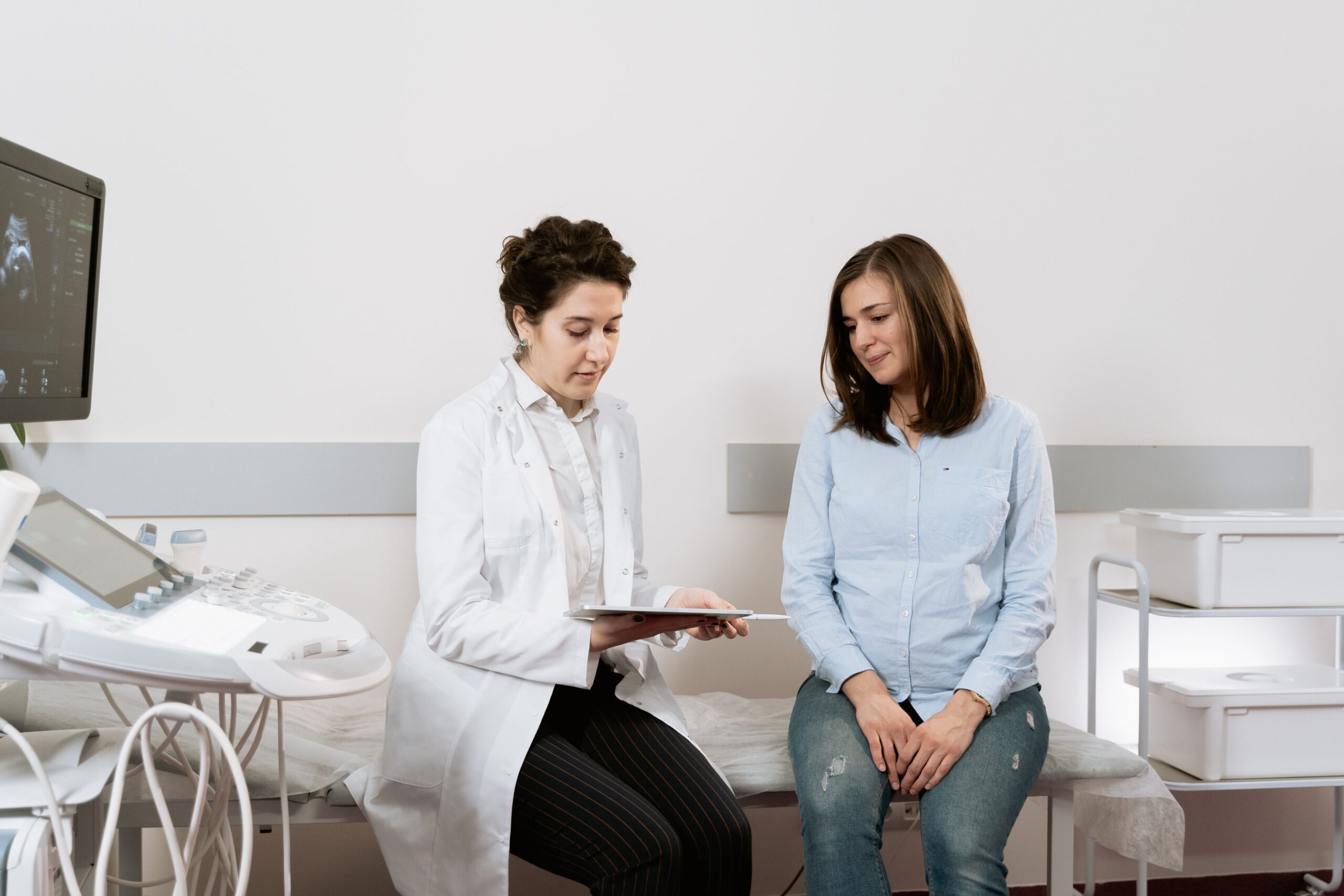
Key message: Gestational diabetes can usually be managed successfully. The key steps are testing at the right time, monitoring glucose, using treatment when needed, checking fetal growth and completing follow-up after birth.
Get urgent help: Contact your maternity team promptly for reduced baby movements, repeated very high or very low glucose readings, inability to eat or drink, severe vomiting, breathlessness, severe headache, visual symptoms or feeling very unwell.
What is gestational diabetes?
Gestational diabetes is high blood glucose first recognised during pregnancy. It usually develops in the middle or later part of pregnancy because the body cannot make enough insulin for the increased demands of pregnancy.
Most women have healthy pregnancies and healthy babies with a clear monitoring and treatment plan.
Who should be offered testing?
Testing is based on risk factors and the pathway used by the maternity service. Important factors include:
- Previous gestational diabetes.
- A body mass index of 30 or above at booking.
- A previous baby weighing 4.5 kg or more.
- A parent, brother or sister with diabetes.
- A family background associated with higher diabetes risk, including Middle Eastern, South Asian, Chinese or African-Caribbean origin.
- Glucose detected repeatedly in urine or another clinical reason identified by the maternity team.
When is the oral glucose tolerance test done?
Many at-risk patients are offered a 75 g oral glucose tolerance test at 24–28 weeks. If you had gestational diabetes before, you may be offered early self-monitoring or an early test, followed by repeat testing at 24–28 weeks when the early result is normal.
- Follow the laboratory fasting instructions, usually allowing water only overnight.
- A fasting blood sample is taken.
- You drink a measured glucose solution.
- A further blood sample is taken, commonly 2 hours later.
How is it diagnosed?
Diagnostic thresholds vary between validated national and local pathways. In the NICE pathway, gestational diabetes is diagnosed if fasting plasma glucose is 5.6 mmol/L or above, or the 2-hour value is 7.8 mmol/L or above. Follow the threshold used by your laboratory and clinical team.
Glucose in urine cannot diagnose or exclude gestational diabetes by itself.
What are the usual glucose targets?
Targets are individualised, especially if treatment can cause low glucose. Common NICE capillary targets are:
| Time of test | Target |
|---|---|
| Fasting | Below 5.3 mmol/L |
| 1 hour after a meal | Below 7.8 mmol/L |
| 2 hours after a meal, if this is the agreed testing time | Below 6.4 mmol/L |
How is gestational diabetes treated?
Needing medication is not a personal failure. It is an additional step to reduce risk for both mother and baby.
- A realistic eating plan with regular meals, appropriate portions and better carbohydrate quality—not starvation or removing all carbohydrate.
- Safe physical activity when medically appropriate; a walk after meals may help glucose control.
- Home glucose monitoring at the times agreed with the diabetes team.
- Metformin, insulin or another locally approved treatment when lifestyle changes do not achieve safe readings, the initial glucose is high, or fetal growth is a concern.
- Do not stop medication or change doses without clinical advice.
How will the pregnancy and baby be monitored?
- Review by an obstetric and diabetes team.
- Extra ultrasound scans to assess fetal growth and amniotic fluid; many pathways use scans around 28, 32 and 36 weeks.
- Discussion of glucose management during labour, the baby’s care after birth and feeding.
- Ongoing review for other pregnancy complications, including high blood pressure.
Does it mean I need a caesarean?
No. Vaginal birth may still be appropriate. Birth timing and method depend on glucose control, fetal growth, previous births and other pregnancy factors.
In the NICE/RCOG pathway, uncomplicated gestational diabetes is usually planned so that birth occurs no later than 40 weeks and 6 days. Earlier birth may be recommended when glucose control or maternal or fetal wellbeing is a concern. Local protocols can differ.
What happens after birth?
- Medication used only for gestational diabetes is usually stopped after delivery under the team’s instructions.
- The baby’s glucose is checked and early regular feeding is encouraged.
- A maternal diabetes blood test should be completed 6–13 weeks after birth.
- If the result is normal, diabetes screening should continue every year because future type 2 diabetes risk remains increased.
- Contact the maternity team early in every future pregnancy because gestational diabetes can recur.
Frequently asked questions
Does insulin harm the baby?
Insulin is used to achieve safer glucose levels and does not cross the placenta in clinically significant amounts. The team selects the safest treatment for your situation.
Can I rely on urine testing instead of the glucose drink?
No. Urine glucose cannot diagnose or exclude gestational diabetes. Discuss alternatives only if the standard test cannot be completed.
Will I have diabetes forever?
It usually resolves after birth, but follow-up is essential because a small number remain diabetic and the future risk of type 2 diabetes is higher.
Can I breastfeed?
Yes. Breastfeeding is encouraged and the feeding team can help you start early.
Your next step
Arrange a review if you have a risk factor, an abnormal test or difficulty reaching your glucose targets. Bring your glucose record, medication list and recent ultrasound reports. Urgent pregnancy symptoms should be assessed by the responsible maternity hospital rather than waiting for a routine clinic appointment.
Medical and content review: Dr Mohamed Abdelghany, Obstetrics & Gynecology Specialist, MRCOG (UK), MSc Obstetrics & Gynecology – Kasr Al-Ainy, Cairo University.
Last reviewed: 22 August 2026.
This information is for general education and does not replace individual medical assessment. Severe, sudden or concerning symptoms should not wait for a routine appointment.