

Postnatal Depression and Anxiety: Symptoms, Treatment and Support
Key message: Postnatal depression and anxiety are common medical conditions, not a failure of love or parenting. They…
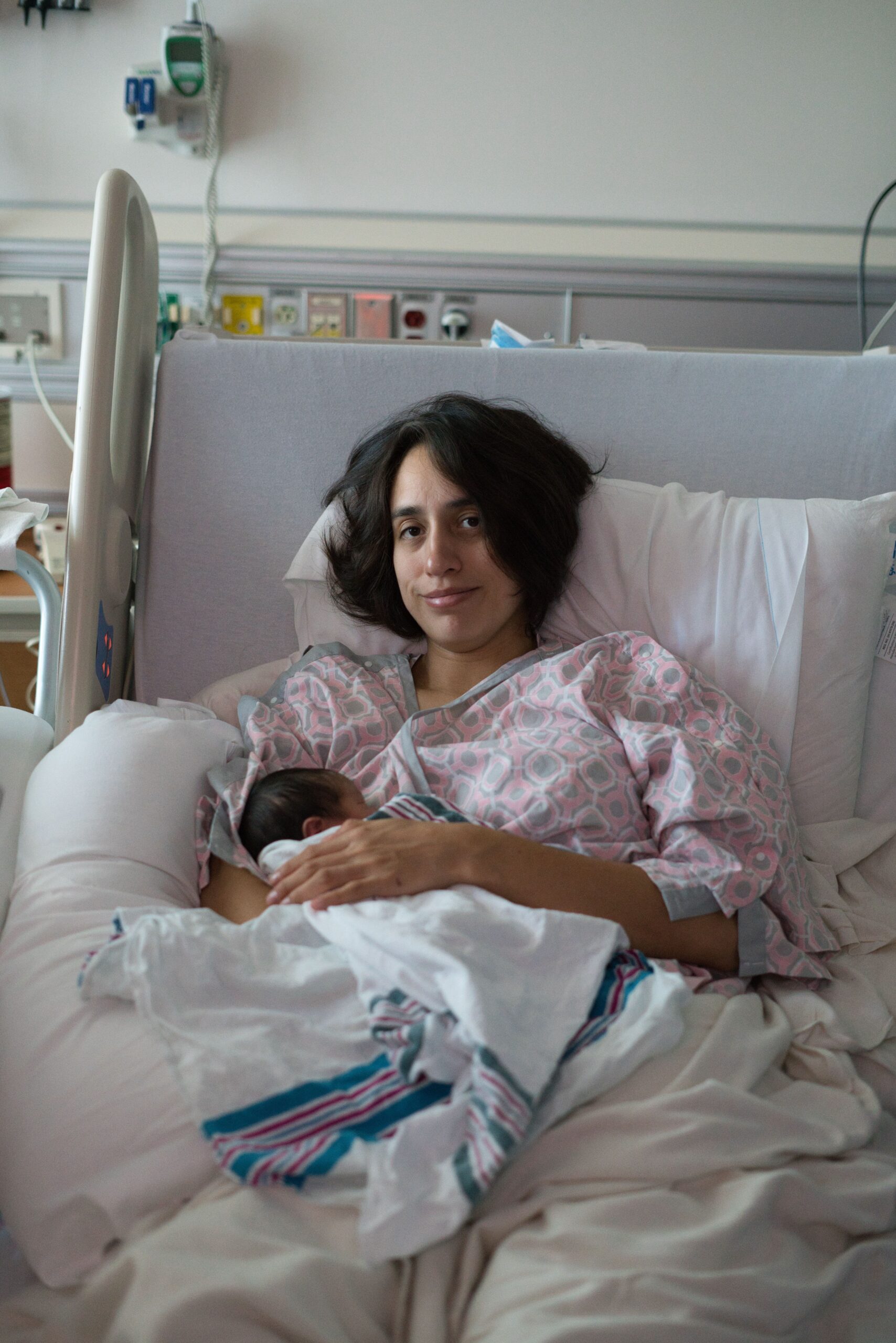
Key message: Postnatal depression and anxiety are common medical conditions, not a failure of love or parenting. They can begin during pregnancy or any time in the first year after birth and usually improve with the right support and treatment.
Get urgent help: Call emergency or crisis services now for thoughts or plans to harm yourself or the baby, hallucinations, delusions, severe confusion, mania, extreme agitation, inability to care safely for the baby or rapidly worsening behaviour. Do not leave the person alone with the baby while urgent help is arranged.
What are baby blues?
Tearfulness, irritability and feeling overwhelmed are common in the first days and usually improve within about two weeks.
Symptoms that are severe, worsen, last longer or impair function need assessment for depression, anxiety or another condition.
What are symptoms of postnatal depression?
- Persistent low mood, emptiness or frequent crying.
- Loss of interest or pleasure.
- Guilt, hopelessness or feeling like a bad parent.
- Difficulty bonding or feeling emotionally numb.
- Sleep or appetite disturbance beyond the baby’s routine.
- Poor concentration, exhaustion or thoughts of death.
How can postnatal anxiety present?
Intrusive thoughts can occur in anxiety and do not automatically mean intent, but they should be assessed openly and without judgement.
- Constant worry that is difficult to control.
- Panic attacks, racing heart or breathlessness.
- Repeated checking or inability to sleep because of fear.
- Intrusive unwanted thoughts that cause distress.
- Avoiding being alone, leaving home or allowing anyone else to care for the baby.
Who is at higher risk?
- Previous depression, anxiety, bipolar disorder or postpartum psychosis.
- Pregnancy or birth trauma, loss or neonatal admission.
- Poor sleep, pain, feeding difficulty or medical complications.
- Lack of support, financial or relationship stress and abuse.
- Thyroid disease or other medical contributors.
How is it assessed?
A clinician asks about symptoms, safety, sleep, functioning, previous episodes, medicines, feeding and support. Screening questionnaires can help but do not replace conversation and risk assessment.
Physical causes such as anaemia, thyroid disease, infection or medication effects may also be checked.
What treatments help?
- Practical support, sleep protection and treatment of pain or feeding problems.
- Talking therapies such as CBT or interpersonal therapy.
- Antidepressant medicine for moderate or severe illness or according to previous response.
- Specialist perinatal mental-health care for severe, complex or bipolar illness.
- Mother-and-baby inpatient care where available for severe illness requiring admission.
Can medicine be used while breastfeeding?
Several antidepressants are compatible with breastfeeding, and untreated severe illness also affects mother and baby. Selection considers previous benefit, infant gestation and health, dose and side effects.
Do not stop psychiatric medicine suddenly; arrange a supervised plan.
How can partners and family help?
- Listen without blame and take symptoms seriously.
- Protect sleep and share feeding or household tasks where possible.
- Attend appointments with consent and learn emergency signs.
- Help with medicines and follow-up.
- Seek support for their own mental health; partners can also develop postnatal depression.
What is postpartum psychosis?
A rare emergency, often beginning suddenly in the first two weeks with mania, hallucinations, delusions, severe confusion or rapid mood change. The affected person may not recognise the illness.
It requires immediate specialist assessment and often hospital treatment.
Frequently asked questions
Does depression mean I do not love my baby?
No. It is a treatable health condition and can affect bonding without reflecting love.
Can it start months after birth?
Yes. It can begin at any time in the first postnatal year.
Are intrusive thoughts dangerous?
They require assessment; distressing unwanted thoughts are different from intent, but safety must be discussed.
Can antidepressants be used while breastfeeding?
Many can, with an individual prescription and infant consideration.
Will it pass without treatment?
Some mild symptoms improve, but waiting can prolong illness; early treatment is effective.
Your next step
Tell a clinician early about persistent low mood, anxiety or intrusive thoughts. Keep emergency numbers visible for the family, and use emergency services immediately for psychosis or harm risk.
Medical and content review: Dr Mohamed Abdelghany, Obstetrics & Gynecology Specialist, MRCOG (UK), MSc Obstetrics & Gynecology – Kasr Al-Ainy, Cairo University.
Last reviewed: 23 August 2026.
This information is for general education and does not replace individual medical assessment.