

Contraception After Birth and While Breastfeeding
Key message: Pregnancy can occur before the first postpartum period, so contraception should be discussed before discharge. Progestogen-only…
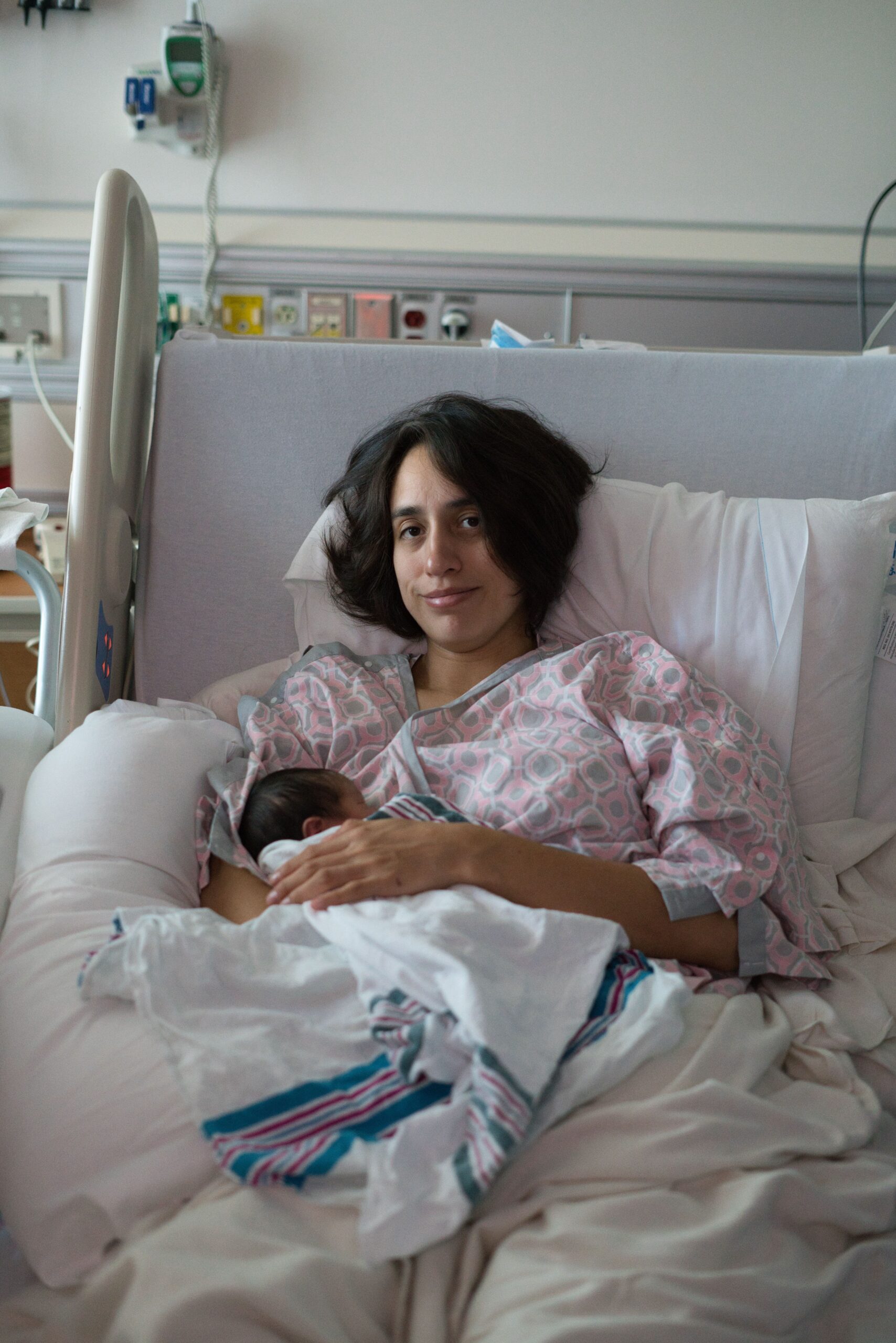
Key message: Pregnancy can occur before the first postpartum period, so contraception should be discussed before discharge. Progestogen-only and long-acting methods can often start immediately, while estrogen-containing methods are delayed because clot and breastfeeding considerations change after birth.
Get urgent help: Seek urgent care for chest pain, sudden breathlessness, coughing blood, one swollen painful leg, severe headache with neurological symptoms, severe pelvic pain, fever after an intrauterine-device insertion, or a positive pregnancy test with pain or bleeding.
When can fertility return?
Ovulation can return before the first period and as early as a few weeks after birth. Do not wait for the postnatal check or first period if pregnancy is not desired.
The exact timing varies with breastfeeding and individual biology.
Which methods can often start immediately?
- Condoms when sex resumes.
- Progestogen-only pill.
- Implant.
- Contraceptive injection, after discussing bleeding, bone and fertility-return considerations.
- Intrauterine contraception inserted at caesarean, shortly after placental delivery or through a later interval-insertion pathway.
- Permanent contraception when fully informed and planned.
How does breastfeeding affect the choice?
Progestogen-only pills, implant, injection and intrauterine methods are compatible with breastfeeding in standard guidance. Method-specific timing and individual risks still apply.
Combined estrogen-containing contraception is delayed postpartum because VTE risk is highest early after birth and estrogen may affect milk supply; timing is later when breastfeeding or clot risk is present.
What is the lactational amenorrhoea method?
LAM can be effective only when all criteria are met: the baby is under 6 months, periods have not returned and breastfeeding is exclusive or near-exclusive day and night with no long gaps.
When any criterion changes, another method is needed immediately. Expressing, formula supplementation and longer sleep intervals can reduce reliability.
What should I know about postpartum IUD/IUS insertion?
Insertion at birth is convenient and highly effective, but expulsion risk is higher than with later insertion and thread checks differ. Interval insertion is also possible after recovery according to the service.
Fever, worsening pain, offensive discharge or inability to feel previously felt threads with pregnancy concern needs review.
How is bleeding interpreted?
Lochia and irregular bleeding from a new hormonal method can overlap. Heavy, offensive or increasing postpartum bleeding must not be assumed to be a contraceptive side effect.
A pregnancy test is needed for new symptoms or missed methods when pregnancy is possible.
What if I need emergency contraception?
A copper IUD is the most effective emergency method when suitable and within the appropriate timing; postpartum insertion timing must be respected. Emergency pills can be used according to breastfeeding and method-specific guidance.
Obtain prompt advice because timing, weight, medicines and the ongoing method affect the best option.
How should caesarean, thrombosis or medical conditions change the plan?
- Reassess VTE risk before estrogen-containing contraception.
- Review blood pressure, migraine, smoking, breast cancer, liver disease and medicines.
- Consider an immediate long-acting method when future access may be difficult.
- Confirm whether the method affects upcoming surgery or anticoagulation.
- Plan removal or switching rather than abandoning contraception after side effects.
Frequently asked questions
Can I get pregnant before my first period?
Yes. Ovulation happens before bleeding.
Does breastfeeding prevent pregnancy?
Only when all LAM criteria are strictly met and only for the first 6 months.
Can the implant affect milk?
Progestogen-only methods are generally compatible with breastfeeding.
Can an IUD be inserted during caesarean?
Yes in services offering immediate postpartum insertion, with counselling about expulsion and follow-up.
When can I use the combined pill?
Timing depends on breastfeeding and clot risk; it is not the immediate postpartum first choice.
Your next step
Choose a method before discharge whenever possible and confirm how to obtain, replace or remove it. Locally available products, insertion services and licensed durations vary, so confirm them when choosing the method.
Medical and content review: Dr Mohamed Abdelghany, Obstetrics & Gynecology Specialist, MRCOG (UK), MSc Obstetrics & Gynecology – Kasr Al-Ainy, Cairo University.
Last reviewed: 23 August 2026.
This information is for general education and does not replace individual medical assessment. Severe, sudden or concerning symptoms should not wait for a routine appointment.