

Signs of Labour and Waters Breaking: When to Contact Hospital
How to recognise labour, what to do when your waters break, and which signs—bleeding, reduced movements or abnormal fluid—need urgent hospital care.
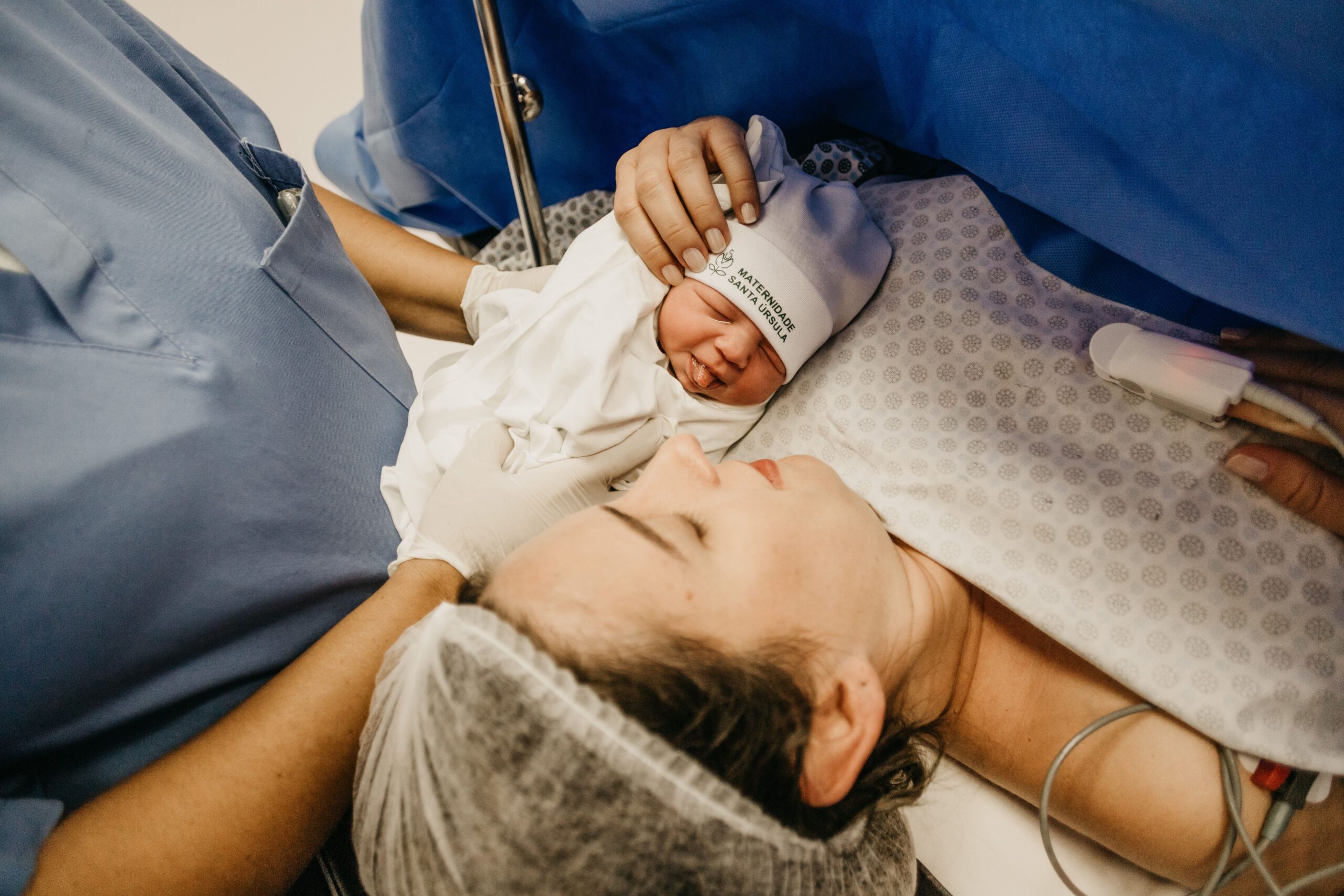
Key message: Labour does not look identical in every pregnancy. Agree your hospital, route and contact plan before the due date, and contact the maternity unit whenever your waters break or you are unsure.
Get urgent help: Call the maternity unit immediately for waters breaking, fresh bleeding, reduced movements, labour before 37 weeks, green or brown or foul-smelling fluid, fever, constant severe pain or a very rapid urge to push. Call an ambulance if the baby appears to be coming now or something is protruding from the vagina.
What are common signs that labour may be starting?
Braxton Hicks or practice contractions are often irregular and may settle with rest or a change in activity. If you are unsure, call the maternity unit.
- Contractions that become more regular, stronger, longer and closer together.
- A mucus ‘show’, which may be pink or slightly blood-streaked.
- Increasing pelvic pressure, backache or an urge to open the bowels.
- The waters breaking as a gush or a persistent trickle.
- Nausea, restlessness or a feeling that labour is beginning.
When should I call because of contractions?
Many maternity units advise calling when contractions are regular, painful, last about 60 seconds and come roughly every 5 minutes. This is only general guidance.
Call earlier if you have had a rapid previous birth, a previous caesarean, twins, a high-risk pregnancy, live far from hospital, are less than 37 weeks, or your individual plan says to attend earlier.
What should I do if my waters break?
- Note the time and whether the fluid was a gush or a continuing trickle.
- Check the colour and smell without delaying care.
- Use a sanitary pad, not a tampon.
- Do not repeatedly examine yourself or insert anything into the vagina.
- Contact the maternity unit even if contractions have not started.
- Continue monitoring baby movements.
What if the waters break at 37 weeks or later before labour?
If assessment is reassuring and there is no positive Group B Streptococcus result, NICE offers a choice between expectant management for up to about 24 hours and induction as soon as practical. Infection risk rises with time, so induction is generally offered if labour has not started.
If you are known to carry Group B Streptococcus, immediate induction and intravenous antibiotics are usually offered after term waters break. Follow the plan of the hospital where you will give birth.
What if the waters break before 37 weeks?
This is preterm prelabour rupture of membranes (PPROM) and needs urgent hospital assessment even without contractions. Care may include confirmation that the membranes have ruptured, monitoring for infection and fetal wellbeing, antibiotics, corticosteroids and an individual decision about continuing the pregnancy or birth.
Which fluid colours or symptoms are concerning?
- Green or brown fluid.
- Fresh red bleeding or heavily blood-stained fluid.
- An unpleasant or offensive smell.
- Fever, shivering or feeling unwell.
- Reduced or absent baby movements.
- Constant severe abdominal pain.
- A cord or another part appearing at the vaginal opening.
What should be ready before labour?
- Identification, pregnancy records, recent tests and a list of medicines and allergies.
- The previous operation report if you have had a caesarean or uterine surgery.
- The hospital address, maternity telephone number, route and backup transport.
- Essential items for mother and baby, without delaying care to complete the bag.
- A clear plan for children, support person and urgent transport.
Frequently asked questions
Does a show mean I must go to hospital immediately?
A show alone may occur hours or days before established labour. Call sooner if bleeding is fresh or heavy, movements are reduced, pain is constant or your plan advises it.
Can labour begin without my waters breaking?
Yes. The waters often break during labour and may not break until late.
Can I shower after my waters break?
A plain shower or bath may be allowed after assessment, but avoid intercourse and inserting anything into the vagina. Follow your hospital’s instructions.
What if I am not sure whether it is urine or amniotic fluid?
Use a pad and contact the maternity unit. Persistent uncontrollable watery loss should be assessed.
Your next step
Save the number and route of the hospital responsible for your birth before the last weeks of pregnancy. When labour may have started or the waters break, use that maternity contact rather than routine clinic booking. Emergency signs need immediate hospital or ambulance care.
Medical and content review: Dr Mohamed Abdelghany, Obstetrics & Gynecology Specialist, MRCOG (UK), MSc Obstetrics & Gynecology – Kasr Al-Ainy, Cairo University.
Last reviewed: 22 August 2026.
This information is for general education and does not replace individual medical assessment. Severe, sudden or concerning symptoms should not wait for a routine appointment.