
PCOS / PMOS: Diagnosis, Periods, Fertility and Long-term Health
PCOS is not diagnosed by ultrasound alone. Learn the updated PMOS name, adult and adolescent criteria, tests, treatment, fertility and long-term health.
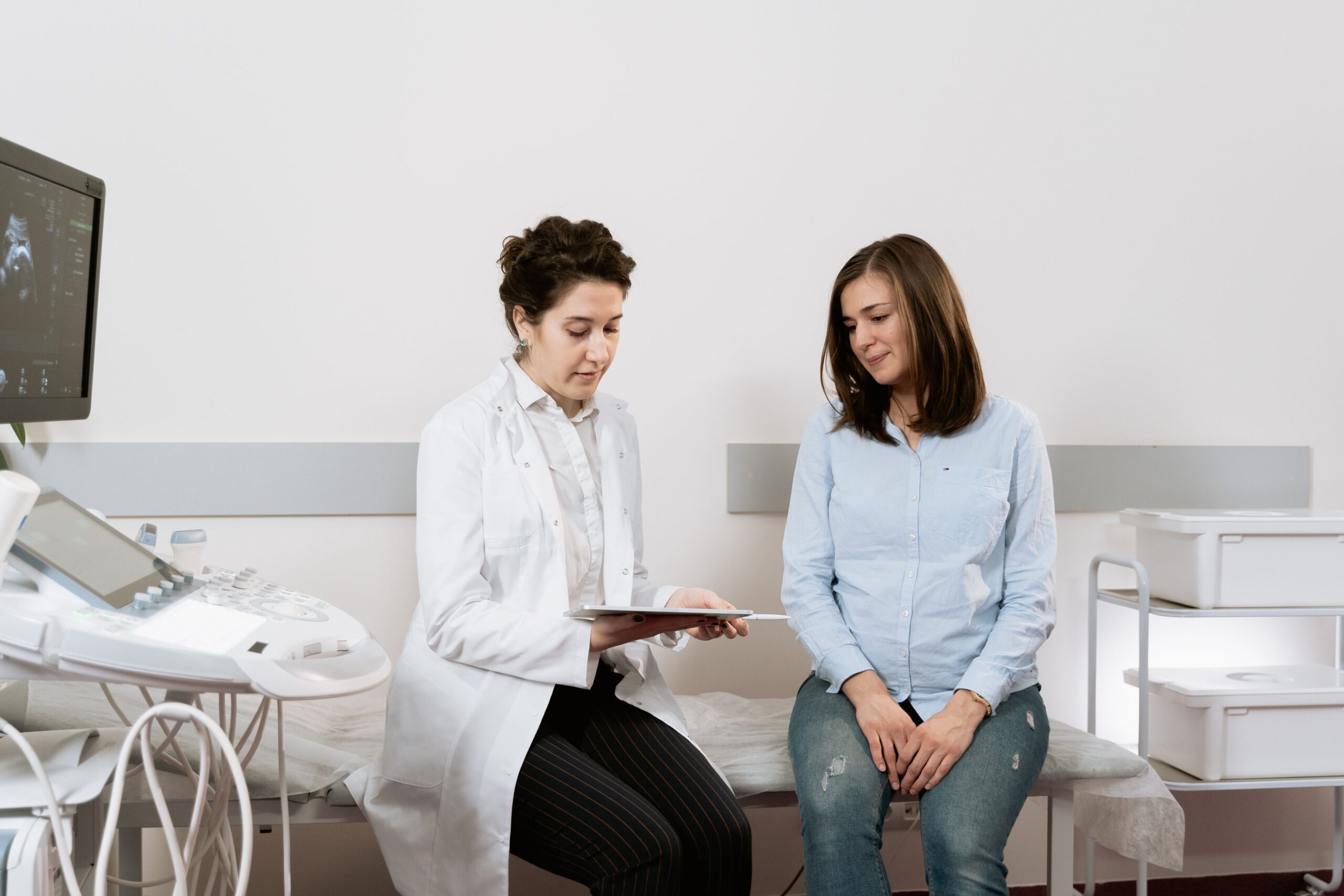
Key message: An ultrasound showing many follicles does not by itself diagnose PCOS. Diagnosis combines cycle and ovulation history, androgen features and selected tests after other causes are excluded.
Get urgent help: Seek prompt assessment for very heavy bleeding, bleeding after a long gap without periods, sudden severe pelvic pain, a positive pregnancy test with pain or bleeding, or rapidly developing deep voice, muscle change or severe androgen symptoms.
Why are both PCOS and PMOS used?
On 12 May 2026, the international guideline programme adopted the new name Polyendocrine Metabolic Ovarian Syndrome (PMOS) for the condition previously called Polycystic Ovary Syndrome (PCOS).
PCOS remains the term most patients, clinicians and search engines recognise, so this guide uses both names. The new name reflects that the condition is broader than ovarian ultrasound appearance and may involve reproductive, metabolic and psychological health.
How is PCOS / PMOS diagnosed in adults?
After other explanations are excluded, an adult generally needs at least 2 of the following 3 features:
- Irregular or absent ovulation, often shown by infrequent, absent or very irregular periods.
- Clinical or biochemical androgen excess, such as significant hirsutism or raised androgen levels measured by a reliable laboratory method.
- Polycystic ovarian morphology on ultrasound; in adults, a validated AMH measurement may be used as an alternative to ultrasound within the diagnostic pathway.
When are ultrasound or AMH not needed?
If an adult already has irregular cycles and clear clinical or biochemical androgen excess, ultrasound or AMH is not required to make the diagnosis.
AMH should not be used as a stand-alone yes-or-no PCOS test. Using both AMH and ultrasound routinely can increase overdiagnosis.
Why is diagnosis different in adolescents?
Irregular cycles and acne can be normal during puberty. In adolescents, the international guideline requires both persistent ovulatory dysfunction and hyperandrogenism after considering the time since the first period and excluding other causes.
Ultrasound and AMH are not recommended for diagnosis in adolescence. Someone with some features but not the full criteria may be considered at increased risk and reviewed over time rather than diagnosed prematurely.
What symptoms can occur?
- Infrequent, absent or unpredictable periods.
- Difficulty ovulating or becoming pregnant.
- Increased facial or body hair, acne or scalp-hair thinning.
- Weight gain or difficulty managing weight—but a higher weight is not required for diagnosis.
- Sleep problems, low mood, anxiety, body-image distress or disordered eating.
- Darkened skin folds or other signs of insulin resistance in some patients.
What tests may be needed?
- Pregnancy testing when relevant.
- Targeted androgen tests using a reliable laboratory method.
- Tests to exclude other causes, commonly thyroid dysfunction, high prolactin and non-classic congenital adrenal hyperplasia; additional tests depend on symptoms.
- Blood pressure, lipid profile and glucose assessment because metabolic risk may be increased at any body size.
- An oral glucose tolerance test when planning pregnancy or fertility treatment, or when clinically indicated.
- Assessment of depression, anxiety, sleep-apnoea symptoms and eating concerns.
How can it affect the womb lining and long-term health?
Long gaps without ovulation can leave the endometrium exposed without enough progesterone. This increases the risk of endometrial hyperplasia and cancer, although the absolute chance of cancer remains low and routine cancer screening is not recommended for everyone.
Cycle regulation or regular progestogen may be used for endometrial protection. New bleeding after prolonged amenorrhoea needs assessment.
Diabetes, lipid and cardiovascular risk factors should be assessed and followed according to the individual profile.
How is PCOS / PMOS treated?
Treatment is based on the main goal—cycle control, androgen symptoms, metabolic health, fertility or emotional wellbeing. There is no single plan for everyone.
- Healthy eating, physical activity and behavioural support benefit health even without weight loss. No single diet or exercise type is proven superior.
- A combined oral contraceptive pill may help irregular cycles and androgen symptoms when medically suitable.
- Cyclic or continuous progestogen may be used for endometrial protection when estrogen-containing contraception is unsuitable or not wanted.
- Metformin is used mainly for metabolic indications and selected cycle concerns; gastrointestinal effects and possible low vitamin B12 with long-term use should be considered.
- Hair-removal methods, laser and selected anti-androgens may be considered; anti-androgens require reliable contraception and specialist discussion.
- Inositol has limited proven clinical benefits and should not replace evidence-based assessment or treatment.
What if pregnancy is the goal?
- PCOS does not mean inevitable infertility; many conceive naturally or with treatment.
- Assess both partners and consider other infertility factors before assuming anovulation is the only cause.
- Letrozole is the international guideline’s first-line medication for ovulation induction in anovulatory infertility with no other infertility factor, where local regulations allow.
- Do not take ovulation-induction medicine without clinical supervision and pregnancy exclusion.
- Optimise folic acid, blood pressure, glucose, medicines, smoking, sleep and mental health before treatment.
Frequently asked questions
Does an ultrasound alone diagnose PCOS?
No. Polycystic ovarian morphology may occur without the syndrome, and PCOS may be present without a classic scan appearance.
Can I have PCOS if I am not overweight?
Yes. Body weight is not a diagnostic criterion.
Is AMH a yes-or-no PCOS test?
No. In adults it may replace ultrasound within the full diagnostic pathway, but it must not be used alone and is not recommended for adolescents.
Can PCOS be cured?
It is usually a long-term tendency, but symptoms and risks can be managed effectively as goals change through life.
Does PCOS always cause infertility?
No. Ovulation may be irregular, but many people conceive naturally or with straightforward treatment.
Your next step
Arrange assessment if periods are repeatedly far apart or absent, androgen symptoms are troublesome, pregnancy is delayed or metabolic risks need review. Bring cycle dates, current medicines and previous hormone or ultrasound reports. Treatment should follow your main goal rather than the ultrasound appearance alone.
Medical and content review: Dr Mohamed Abdelghany, Obstetrics & Gynecology Specialist, MRCOG (UK), MSc Obstetrics & Gynecology – Kasr Al-Ainy, Cairo University.
Last reviewed: 22 August 2026.
This information is for general education and does not replace individual medical assessment. Severe, sudden or concerning symptoms should not wait for a routine appointment.