

HPV and Cervical Screening Results: What Do They Mean?
Key message: Cervical screening looks for high-risk HPV and/or cell changes before cancer develops; it is not a…
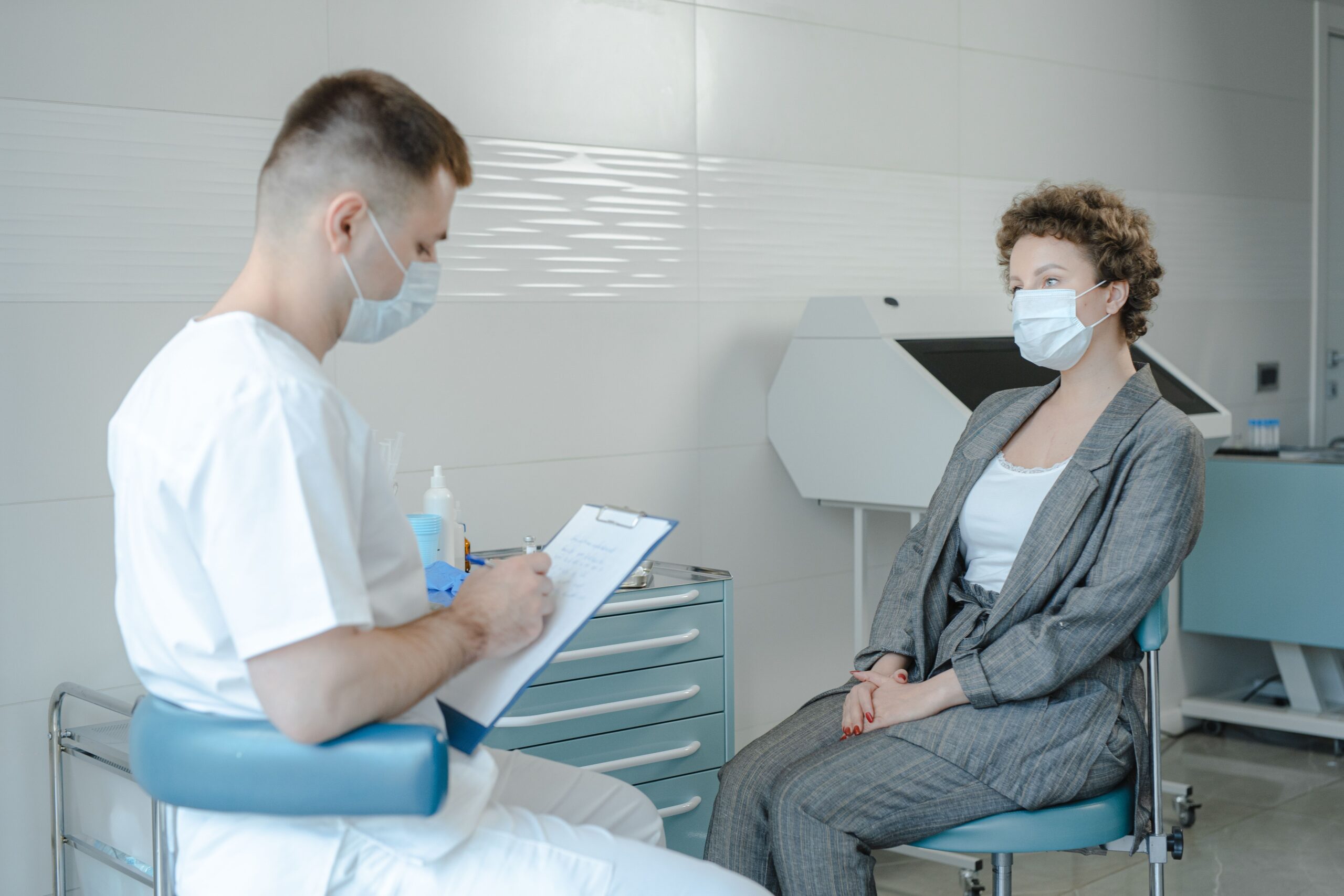
Key message: Cervical screening looks for high-risk HPV and/or cell changes before cancer develops; it is not a test for all gynaecological cancers. HPV is common and a positive result does not mean cancer or prove recent infidelity.
Get urgent help: Screening is not the pathway for symptoms. Arrange prompt assessment for bleeding after sex, persistent intermenstrual or postmenopausal bleeding, offensive or blood-stained discharge, persistent pelvic pain or unexplained weight loss. Heavy bleeding or severe illness needs urgent care.
What is high-risk HPV?
HPV is a common virus passed mainly through skin-to-skin sexual contact. Most infections clear naturally; persistent infection with certain high-risk types can cause cervical cell changes over years.
A positive result cannot show exactly when infection was acquired and can appear after years of latency.
What does cervical screening test?
Modern programmes often use HPV as the first test, with cytology performed when high-risk HPV is detected. Some countries use different sequences and intervals.
The exact age range and recall interval should follow the current national or local cervical-screening programme.
What can common result categories mean?
- HPV not detected: routine recall according to the national/local programme.
- High-risk HPV detected with no cell changes: repeat HPV testing after the recommended interval in many pathways.
- High-risk HPV with abnormal cell changes: referral for colposcopy.
- Inadequate sample: repeat screening, often after a shorter interval.
- Changes found after treatment: a defined test-of-cure and follow-up pathway.
What is colposcopy?
Colposcopy uses an external microscope to examine the cervix more closely. Solutions highlight abnormal areas and a small biopsy may be taken.
Referral does not mean cancer; most abnormalities are precancerous or benign and can be monitored or treated.
What are CIN and CGIN?
CIN describes abnormal squamous cells and is graded by severity. CGIN describes glandular-cell changes. They are not cancer, but higher-grade changes may be treated to prevent progression.
The pathology result, age, pregnancy plans and previous history guide treatment or surveillance.
Does HPV affect pregnancy or fertility?
HPV itself usually does not prevent pregnancy. Screening or colposcopy can often occur in pregnancy when needed, while treatment is usually deferred unless cancer is suspected.
Excisional treatment such as LLETZ can slightly increase later preterm-birth risk depending on depth and repeated procedures, so future pregnancy history should be documented.
Can HPV be treated?
There is no medicine that removes HPV directly; the immune system clears most infections. Treatment targets visible warts or abnormal cells.
Smoking cessation supports cervical health, and condoms reduce but do not eliminate transmission.
What is the role of HPV vaccination?
Vaccination prevents infection from important HPV types and is most effective before exposure, but can still benefit eligible older people according to local policy. It does not treat an existing infection and does not replace screening.
Vaccine availability, age and dosing should be checked against the current national programme.
Why should symptoms not wait for the next smear?
A normal screening test reduces risk but does not exclude every cervical, uterine, vaginal or ovarian condition. Symptoms need diagnostic assessment rather than an early screening test alone.
Keep screening appointments even when asymptomatic and seek separate review for symptoms.
Frequently asked questions
Does HPV positive mean cancer?
No. Most HPV infections clear, and screening identifies people who need follow-up before cancer develops.
Does it prove my partner was unfaithful?
No. HPV can remain undetected for years, so timing cannot usually be established.
Can men be tested routinely for HPV?
There is no routine equivalent cervical screening test for most male partners; advice depends on symptoms and local services.
Can I have sex while HPV positive?
Yes, although condoms reduce transmission and any visible lesions or treatment instructions should be followed.
Do I still need screening after vaccination?
Yes. Vaccination does not cover every high-risk type.
Your next step
Bring the exact laboratory or screening letter to review. Follow the recall or colposcopy pathway, and seek a separate assessment for bleeding, discharge or pain rather than waiting for the next screening date.
Medical and content review: Dr Mohamed Abdelghany, Obstetrics & Gynecology Specialist, MRCOG (UK), MSc Obstetrics & Gynecology – Kasr Al-Ainy, Cairo University.
Last reviewed: 23 August 2026.
This information is for general education and does not replace individual medical assessment. Severe, sudden or concerning symptoms should not wait for a routine appointment.