

Pain Relief in Labour: Options, Benefits and Side Effects
Key message: Labour pain relief is a personal and changing choice. Non-drug methods, gas and air, opioid medicine…
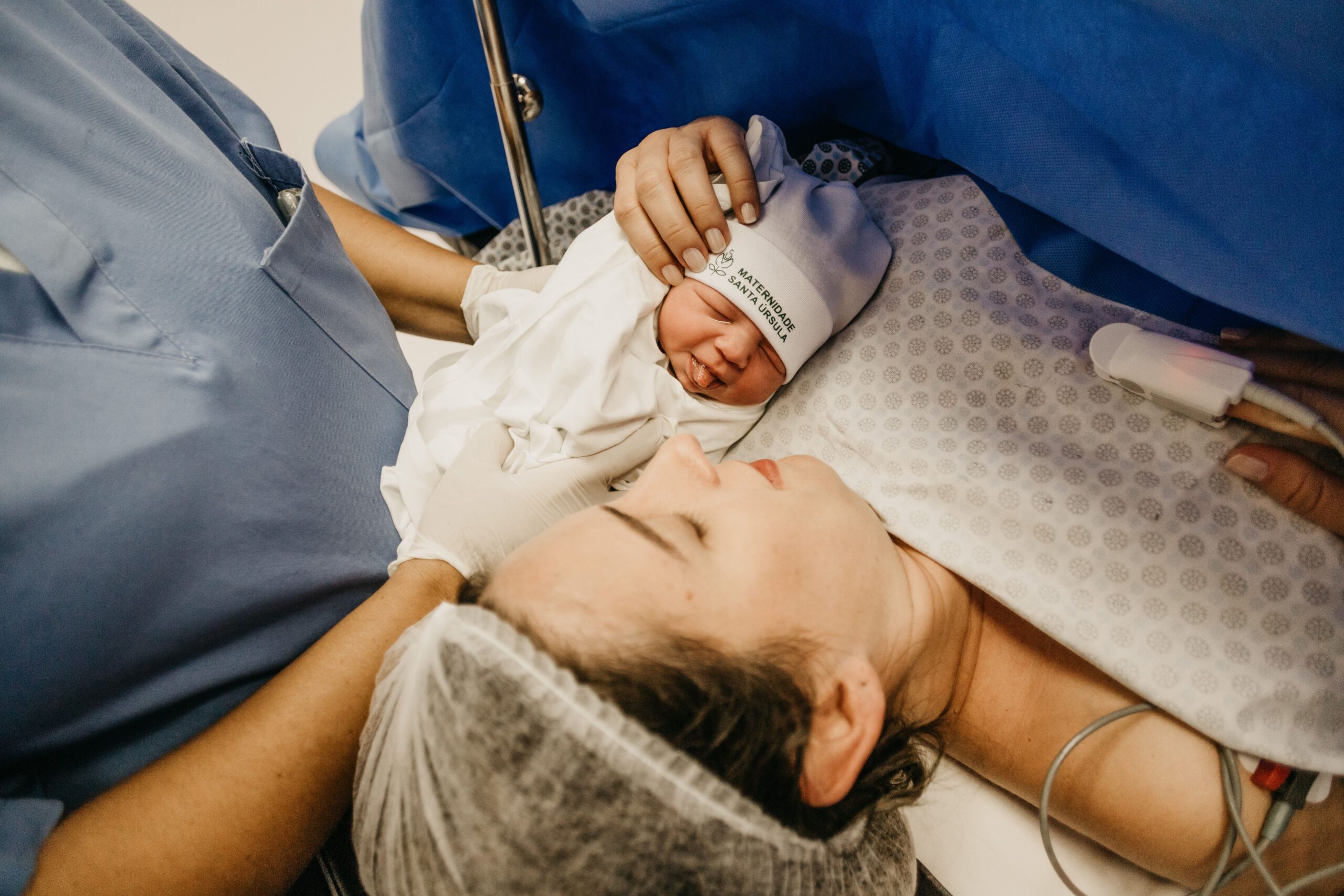
Key message: Labour pain relief is a personal and changing choice. Non-drug methods, gas and air, opioid medicine and epidural provide different levels of relief, and the safest option depends on labour, medical history, birth setting and preference.
Get urgent help: During labour, report sudden constant pain between contractions, heavy bleeding, chest pain, severe breathlessness, severe headache, weakness or feeling faint. After an epidural or spinal, urgent review is needed for new leg weakness, loss of bladder/bowel control, severe back pain with fever or a severe postural headache.
What non-drug methods can help?
- Continuous support from a trusted birth partner or trained professional.
- Movement, upright positions and changing position.
- Breathing, relaxation, massage and a calm environment.
- Warm water, shower or birth pool where suitable.
- TENS, particularly for back pain in early labour.
- Hypnobirthing or mindfulness as coping tools, without promising a pain-free birth.
What is gas and air?
Nitrous oxide and oxygen are inhaled through a mouthpiece or mask. It works quickly, is controlled by the patient and wears off quickly.
It may not remove pain completely and can cause light-headedness, nausea or drowsiness. Timing breaths before a contraction helps.
What opioid medicines are used?
Injected opioids such as pethidine/diamorphine, or alternatives used locally, can reduce distress and help rest but usually provide partial relief.
They can cause nausea, drowsiness and reduced breathing and may affect the baby’s alertness or breathing when given close to birth. Anti-sickness medicine and monitoring may be needed.
What is remifentanil patient-controlled analgesia?
Some hospitals offer remifentanil through a vein with a button controlled by the patient. It acts and wears off quickly but can suppress breathing, so one-to-one monitoring, oxygen and trained staff are essential.
Availability varies and it is not suitable for every patient.
What is an epidural?
A thin catheter is placed in the lower back by an anaesthetist to deliver local anaesthetic and opioid. It usually provides the strongest labour pain relief while the patient remains awake.
It takes time to insert and work and requires blood-pressure, fetal and bladder monitoring.
What are epidural benefits and side effects?
- Very effective pain relief and useful for long or complicated labour.
- Can be topped up for assisted birth or caesarean in some cases.
- May cause low blood pressure, itching, fever, difficulty passing urine or heavy legs.
- May prolong the pushing stage and increase the chance of assisted vaginal birth, depending on dose and circumstances.
- Inadequate or one-sided block may require adjustment or replacement.
- Post-dural puncture headache and serious neurological or infectious complications are uncommon.
Can everyone have an epidural?
Blood-clotting problems, anticoagulant timing, severe infection, selected spinal conditions or lack of safe staffing may prevent or delay it. A previous back problem does not automatically rule it out.
Ask for anaesthetic review during pregnancy when there is spinal surgery, a bleeding disorder, major obesity, heart disease or a previous anaesthetic problem.
Does pain relief affect birth choices?
Pain-relief preferences can change. Epidural does not automatically mean caesarean, and choosing no medicine does not make a birth more successful.
An induction, prolonged labour, assisted birth or complication may change the best option. Consent remains ongoing.
What should be in the birth plan?
- Preferred first options and acceptable alternatives.
- Relevant allergies, migraine, asthma, opioid sensitivity or anaesthetic history.
- Whether water or epidural is available at the intended birth setting.
- A plan for nausea, anxiety, previous trauma and communication.
- Understanding that emergency care may require a different approach.
Frequently asked questions
Can I change my mind during labour?
Yes. Pain-relief consent and preferences can change at any time.
Does an epidural always slow labour?
It may affect the pushing stage, but effects vary and it does not automatically lead to caesarean.
Can I walk with an epidural?
Mobility depends on the drug concentration, leg strength, monitoring and local policy.
Will an epidural cause chronic back pain?
Temporary back soreness can occur; good evidence does not show that epidural causes chronic back pain.
Can gas and air be used with an epidural?
Sometimes during insertion or while waiting for full effect, according to the team.
Your next step
Discuss pain relief before labour and request anaesthetic review when there are medical, spinal or previous anaesthetic concerns. Confirm which options are available at the planned birth hospital.
Medical and content review: Dr Mohamed Abdelghany, Obstetrics & Gynecology Specialist, MRCOG (UK), MSc Obstetrics & Gynecology – Kasr Al-Ainy, Cairo University.
Last reviewed: 23 August 2026.
This information is for general education and does not replace individual medical assessment. Severe, sudden or concerning symptoms should not wait for a routine appointment.