
Endometriosis: Symptoms, Diagnosis, Treatment and Fertility
Key message: Endometriosis is a long-term condition in which tissue similar to the womb lining is found elsewhere,…
Key message: Endometriosis is a long-term condition in which tissue similar to the womb lining is found elsewhere, usually in the pelvis. Symptoms, scan findings and disease extent do not always match, so care is based on impact and goals.
Get urgent help: Seek urgent assessment for sudden severe pelvic pain, fainting, fever or persistent vomiting; a positive pregnancy test with pain or bleeding; inability to pass urine; heavy bleeding with weakness; or chest pain, breathlessness or coughing blood.
What symptoms can endometriosis cause?
Some people have extensive disease with modest symptoms, while others have severe pain with limited visible disease. Pain should not be dismissed because a scan looks mild.
- Very painful periods or pain that begins before bleeding and continues afterwards.
- Chronic pelvic or lower-back pain.
- Pain during or after sex.
- Pain opening the bowels or passing urine, especially around periods.
- Cyclical blood from the bowel or bladder.
- Heavy or irregular bleeding.
- Difficulty becoming pregnant.
- Fatigue, poor sleep, low mood or a major effect on work, study and relationships.
Where can it occur?
- On the pelvic lining, ovaries or fallopian tubes.
- As an ovarian endometrioma.
- Around the uterus, uterosacral ligaments, vagina or cervix.
- On or near the bowel, bladder or ureters in deep disease.
- Less commonly in surgical scars, the umbilicus or chest.
How is it assessed?
A normal ultrasound or MRI does not rule out endometriosis. There is no routine blood test that confirms it, and CA-125 should not be used as a stand-alone diagnostic test.
- A detailed symptom, period, fertility and family history.
- Abdominal and pelvic examination with consent; declining an examination does not remove the right to further assessment.
- Transvaginal ultrasound for suspected endometriosis, even when the examination is normal.
- Specialist transvaginal ultrasound or pelvic MRI to map suspected deep disease or bowel, bladder or ureter involvement.
- Laparoscopy when diagnosis remains uncertain, symptoms persist despite treatment, or surgery is likely to help.
Do I need laparoscopy before treatment?
Not always. Symptoms can often be treated while imaging and referral are arranged, particularly when pregnancy is not currently desired. Laparoscopy can diagnose and treat disease, but it is an operation with risks and is not automatically the first step for every patient.
How is pain treated?
Most hormonal treatments suppress symptoms while being used and prevent pregnancy during treatment. They do not permanently damage fertility.
- A time-limited trial of suitable pain relief, with review rather than repeated uncontrolled use.
- Combined hormonal contraception used continuously when medically suitable.
- Progestogen options such as tablets, an implant, injection or levonorgestrel intrauterine system.
- Selected GnRH agonist or antagonist treatment, often with add-back hormones to reduce bone and menopausal side effects.
- Pelvic-floor physiotherapy, pain-team support and psychological strategies when chronic pain has become multifactorial.
When is surgery considered?
Surgery should be planned by a team with the appropriate expertise. Ovarian surgery can reduce ovarian reserve, deep surgery has organ-specific risks, and symptoms can recur.
A hysterectomy does not guarantee cure because endometriosis can remain outside the uterus.
- Persistent symptoms despite appropriate medical treatment or unacceptable side effects.
- An endometrioma or deep disease requiring assessment, especially when the bowel, bladder or ureter may be involved.
- An acute complication or uncertainty about the nature of an ovarian mass.
- A fertility plan in which surgery may improve access, anatomy or spontaneous-conception chance after individual assessment.
How does endometriosis affect fertility?
Many patients conceive naturally, while others take longer or need treatment. The plan depends on age, ovarian reserve, tubes, semen, duration of trying, pain, endometrioma and disease extent.
Hormonal suppression relieves symptoms but does not improve spontaneous pregnancy while it is being used. A couple-based fertility assessment should avoid assuming endometriosis is the only factor.
When is specialist-centre referral important?
- Suspected or confirmed deep endometriosis involving bowel, bladder or ureter.
- Endometrioma, especially when surgery or fertility treatment is being considered.
- Symptoms that remain severe despite first-line care.
- Complex prior surgery or recurrent disease.
- Need for coordinated gynaecology, colorectal, urology, fertility or pain expertise.
What helps long-term management?
- A written plan for flares, medicine review and urgent symptoms.
- Tracking symptoms rather than judging progress only by scan appearance.
- Reviewing fertility intentions before ovarian surgery.
- Addressing fatigue, sleep, bowel or bladder symptoms, sexual pain and mental wellbeing.
- Regular review when symptoms change or treatment is no longer effective.
Frequently asked questions
Can a normal ultrasound exclude endometriosis?
No. It may miss superficial disease and other lesions; symptoms and further assessment still matter.
Is laparoscopy the only way to diagnose it?
No. Current care uses symptoms and imaging, with laparoscopy selected when it will change diagnosis or treatment.
Do hormone treatments cure endometriosis?
They suppress activity and pain while used; symptoms may return after stopping.
Will hysterectomy definitely cure it?
No. It may help selected uterine symptoms, but disease outside the uterus can remain.
Should an endometrioma always be removed before IVF?
No. Surgery can reduce ovarian reserve, so size, symptoms, appearance, access and the fertility plan must be balanced individually.
Your next step
Arrange assessment when period or pelvic pain affects daily life, sex, bowel or bladder function, or fertility. Bring a symptom diary, previous scans and operation reports. Sudden severe pain, pregnancy-related pain or bleeding, fever or chest symptoms need urgent care.
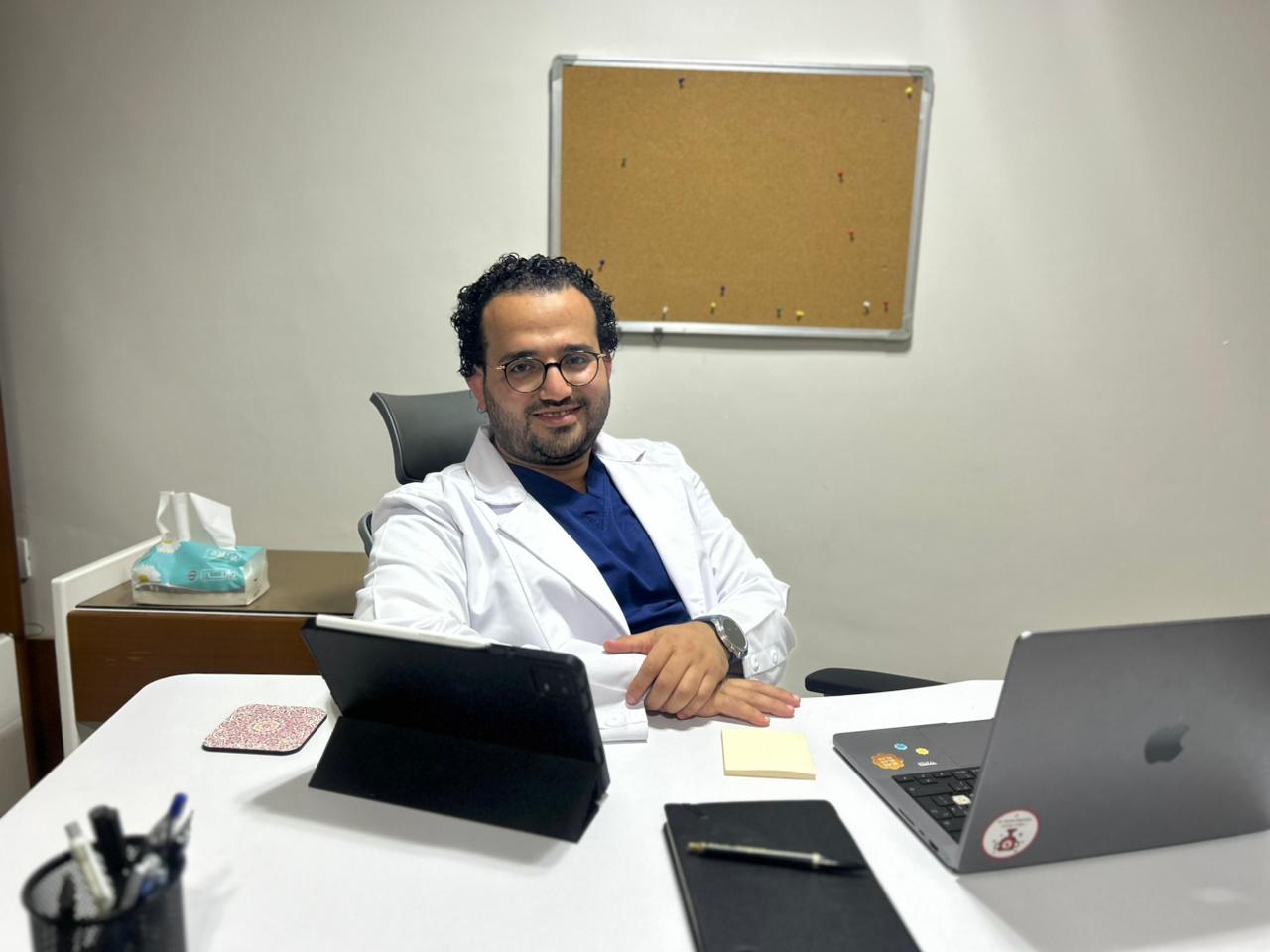
Medical and content review: Dr Mohamed Abdelghany, Obstetrics & Gynecology Specialist, MRCOG (UK), MSc Obstetrics & Gynecology – Kasr Al-Ainy, Cairo University.
Last reviewed: 22 August 2026.
This information is for general education and does not replace individual medical assessment. Severe, sudden or concerning symptoms should not wait for a routine appointment.