

Pelvic Inflammatory Disease: Symptoms, Treatment and Fertility
Key message: Pelvic inflammatory disease is infection and inflammation of the upper reproductive tract. Symptoms can be mild…
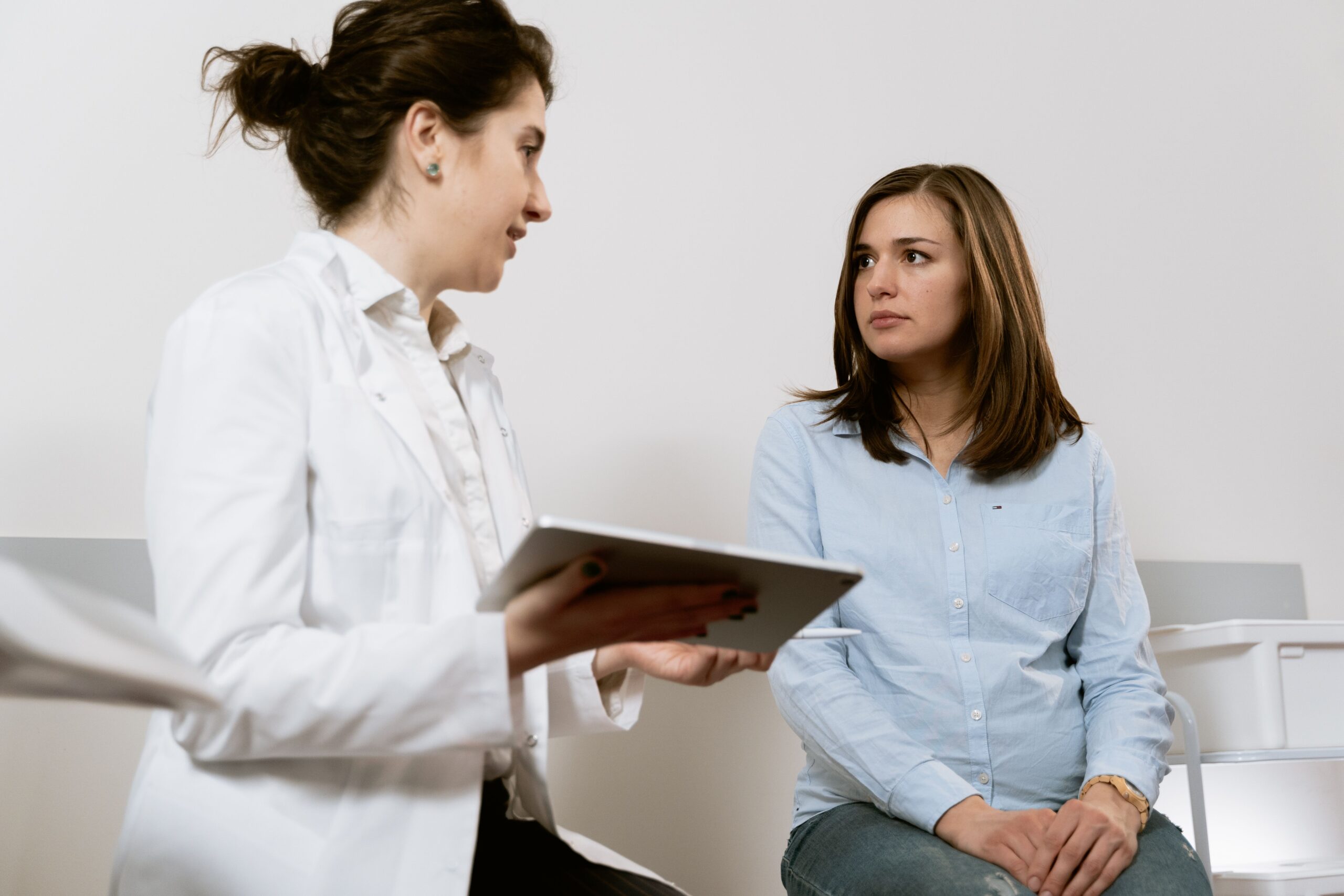
Key message: Pelvic inflammatory disease is infection and inflammation of the upper reproductive tract. Symptoms can be mild or absent, so treatment is often started from the clinical picture before every test result returns.
Get urgent help: Seek urgent same-day or hospital care for severe pelvic pain, high fever, repeated vomiting, fainting, pregnancy or possible pregnancy, a pelvic mass/abscess concern, inability to take oral medicine, severe illness or no improvement within 48–72 hours of treatment.
What symptoms can PID cause?
- Lower-abdominal or pelvic pain.
- Deep pain during sex.
- Abnormal vaginal discharge.
- Bleeding between periods or after sex.
- Pain when passing urine.
- Fever, nausea or feeling unwell.
- Sometimes mild symptoms or none.
What causes PID?
Chlamydia and gonorrhoea are important causes, but PID is often polymicrobial and can occur when standard STI tests are negative. Bacteria can ascend after an STI, childbirth, miscarriage or a uterine procedure.
PID is not diagnosed or excluded from discharge colour alone.
How is it diagnosed?
- Pregnancy test.
- Abdominal and pelvic examination with consent.
- Vaginal/cervical NAAT for chlamydia and gonorrhoea and other STI tests according to risk.
- Urine and blood tests when illness is more severe.
- Ultrasound when an abscess, ovarian problem, ectopic pregnancy or another diagnosis is possible.
- Laparoscopy only in selected uncertain or surgical cases.
Why is treatment started promptly?
No single test reliably excludes PID, and delay increases the chance of tubal damage. Broad-spectrum antibiotics cover the likely mix of bacteria while results are pending.
Complete the entire course even when symptoms improve.
When is hospital treatment needed?
- Pregnancy.
- Severe illness, high fever, vomiting or sepsis concern.
- Tubo-ovarian abscess.
- Unable to tolerate or adhere to oral treatment.
- A surgical emergency such as ectopic pregnancy or appendicitis cannot be excluded.
- No clinical improvement after 48–72 hours.
What about sexual partners?
Recent partners may need confidential notification, testing and treatment according to the organism and local sexual-health pathway. Avoid sex until treatment is completed, symptoms have resolved and partners have been managed as advised.
Condoms reduce future STI risk.
Does an IUD need to be removed?
An IUD is not automatically removed when PID is diagnosed. Start antibiotics and review clinical response; removal may be considered when symptoms fail to improve or according to preference and the specific situation.
Emergency contraception and ongoing pregnancy prevention should be discussed if it is removed.
How can PID affect fertility?
Many people remain fertile, but delayed or repeated infection increases the risk of tubal infertility, ectopic pregnancy and chronic pelvic pain. The risk cannot be predicted from symptoms alone.
If pregnancy is delayed later, both partners and tubal factors should be assessed.
What follow-up is needed?
- Clinical review within about 48–72 hours when symptoms are moderate/severe or according to the treatment setting.
- Review of test results and partner management.
- Repeat testing for selected STIs at the recommended interval.
- Assessment of persistent pain, bleeding or discharge.
- Pregnancy-location assessment early in a future pregnancy when tubal damage is suspected.
Frequently asked questions
Can PID occur with a negative chlamydia test?
Yes. Other bacteria may cause PID and the infection can be higher in the pelvis.
Does PID always cause infertility?
No. Many remain fertile, but repeated or delayed infection increases risk.
Can I finish antibiotics when I feel better?
Complete the full prescribed course.
Should my partner be treated?
Partner testing and treatment are often needed when an STI is suspected or confirmed.
Should I douche to clear infection?
No. Douching can worsen vaginal imbalance and does not treat PID.
Your next step
Start prescribed antibiotics promptly and keep the 48–72-hour review plan. Severe illness, pregnancy or failure to improve needs hospital assessment.
Medical and content review: Dr Mohamed Abdelghany, Obstetrics & Gynecology Specialist, MRCOG (UK), MSc Obstetrics & Gynecology – Kasr Al-Ainy, Cairo University.
Last reviewed: 23 August 2026.
This information is for general education and does not replace individual medical assessment. Severe, sudden or concerning symptoms should not wait for a routine appointment.