

Vaccinations in Pregnancy: Which Vaccines Are Recommended and When?
Key message: Vaccination during pregnancy can protect the mother and pass antibodies to the baby. The recommended vaccines…
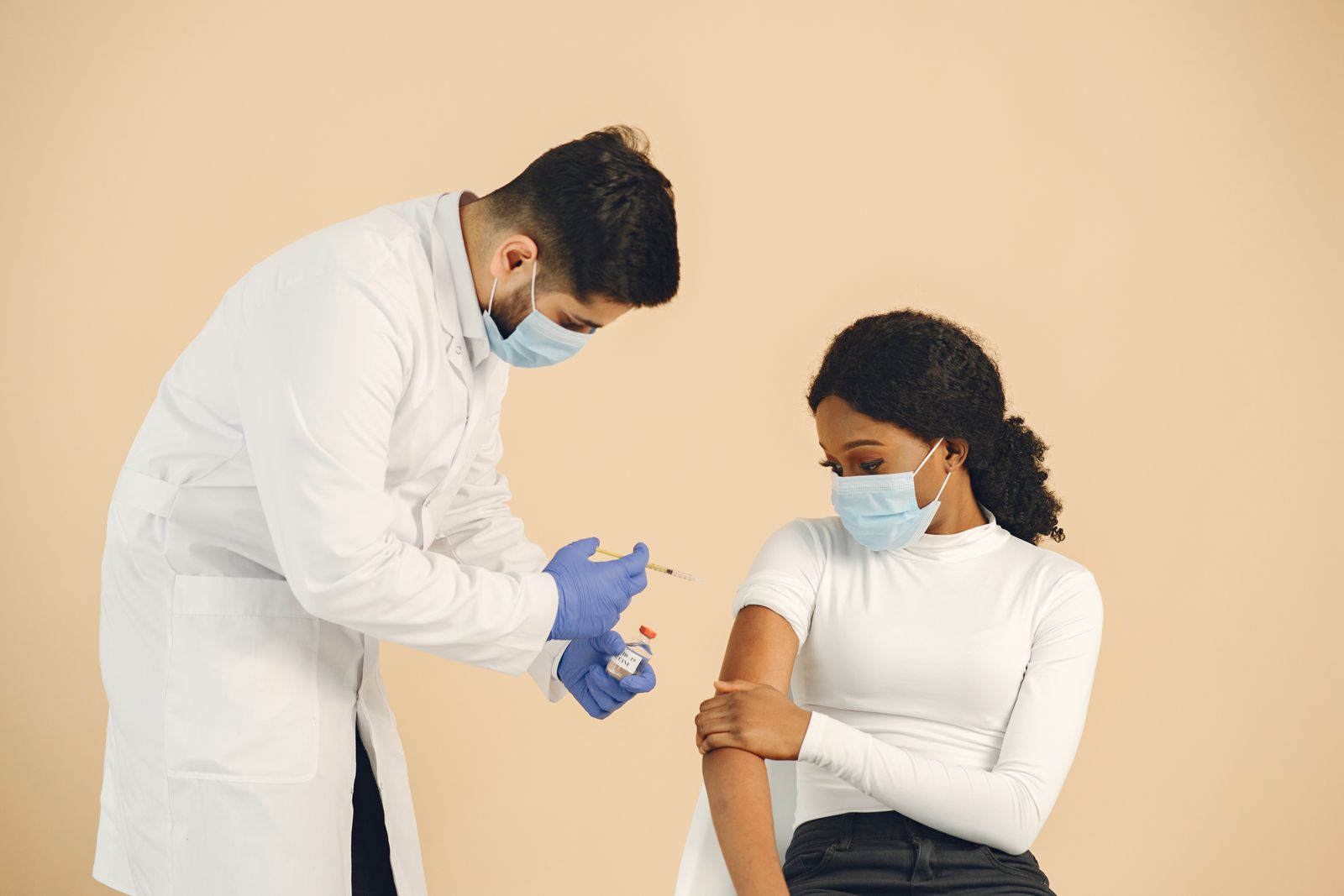
Key message: Vaccination during pregnancy can protect the mother and pass antibodies to the baby. The recommended vaccines and exact timing vary by country, season, previous doses, medical risk and product availability, so the exact local recommendation should be confirmed against the current national programme when vaccination is arranged.
Get urgent help: Call emergency services for breathing difficulty, facial or tongue swelling, collapse, severe widespread hives or a rapidly worsening reaction after vaccination. Fever, severe illness, reduced baby movements or pregnancy warning symptoms still need clinical assessment and should not automatically be attributed to the vaccine.
Which vaccines are commonly considered during pregnancy?
| Vaccine | General pregnancy principle | Important local check |
|---|---|---|
| Inactivated influenza injection | Used during any trimester when seasonal vaccination is indicated; protects mother and infant. | Season, vaccine availability and national eligibility. |
| Pertussis-containing vaccine (Tdap/Tdap-IPV or equivalent) | Offered during every pregnancy in programmes that use maternal pertussis vaccination. | Timing differs: for example, UK and US windows are not identical. |
| Tetanus/diphtheria-containing vaccine | Given according to previous doses, national maternal schedule, wound risk and whether the pertussis vaccine already contains tetanus/diphtheria. | Follow the current national or local schedule. |
| Maternal RSV vaccine | Used in selected national programmes to pass protection to the newborn. | Product, gestational window, season and infant monoclonal-antibody alternative. |
| COVID-19 vaccine | Professional bodies support vaccination in pregnancy, but current programme eligibility and dose schedule vary by country and season. | Current local availability, risk group and product. |
| Travel or exposure vaccines | Assessed individually from destination, outbreak and maternal risk. | Live versus inactivated product and specialist travel advice. |
Why are some vaccines given in every pregnancy?
Antibody levels passed to the baby fall over time. Pertussis-containing vaccination is therefore offered during each pregnancy in programmes that use it, even when the mother was vaccinated previously.
Seasonal influenza and updated COVID recommendations also change with circulating strains and programme policy.
Which vaccines are generally avoided during pregnancy?
Accidental live-vaccine administration is not automatically an indication to end a pregnancy. Record the product and date and obtain specialist advice.
- Live MMR vaccine.
- Live varicella vaccine.
- Live nasal influenza vaccine.
- Some live travel vaccines unless an expert decides exposure risk is greater than theoretical vaccine risk.
Can vaccines be given together?
Several inactivated or non-live maternal vaccines can be coadministered at different sites when recommended. Practical timing may still be separated because of programme rules, side effects, gestation or product availability.
Do not delay an urgently indicated vaccine solely to create an unnecessary gap.
What side effects are expected?
- Pain, redness or swelling at the injection site.
- Fatigue, headache, muscle aches or mild fever for a short period.
- Temporary worsening of nausea or feeling unwell.
- Severe allergic reaction is rare and needs immediate care.
What should be reviewed before vaccination?
- Gestation and due date.
- Previous vaccine doses and documented reactions.
- Severe allergy to a component or previous anaphylaxis.
- Current fever or acute illness.
- Immune suppression, blood-thinning medicine or bleeding disorder.
- Travel, occupational or outbreak exposure.
- Which maternal or infant protection programme is actually available locally.
What happens after birth?
Non-live and many live vaccines can be given postpartum, including during breastfeeding, when indicated. MMR or varicella may be offered after birth to a non-immune mother, with advice about avoiding pregnancy for the recommended interval.
The baby’s routine vaccines and any RSV infant-protection plan remain separate from maternal vaccination.
Why should timing not be copied from another country?
The UK, United States and other programmes use different gestational windows for pertussis and RSV, and COVID eligibility may change seasonally. Patients in Egypt should follow the currently verified Egyptian or local schedule and the product actually available, rather than copying another country’s timing.
Exact timing should follow the current local programme and available product.
Frequently asked questions
Can vaccines cause the infection they prevent?
Non-live vaccines used in pregnancy cannot cause influenza, pertussis, RSV or COVID infection.
Do vaccines overload the baby’s immune system?
No. Maternal vaccination stimulates the mother’s immune response and transfers selected antibodies to the baby.
Should I repeat pertussis vaccine in every pregnancy?
In maternal pertussis programmes, yes, because protection passed to each baby needs boosting.
What if I missed the ideal week?
Contact the maternity or vaccination service promptly; a later dose may still be useful depending on the vaccine and programme.
Can I vaccinate while breastfeeding?
Most vaccines can be used postpartum and during breastfeeding, including live vaccines avoided during pregnancy when otherwise indicated.
Your next step
Bring your vaccine record and due date to review. Before vaccination, confirm the current Egyptian or local programme, the licensed product available and where it is being offered.
Medical and content review: Dr Mohamed Abdelghany, Obstetrics & Gynecology Specialist, MRCOG (UK), MSc Obstetrics & Gynecology – Kasr Al-Ainy, Cairo University.
Last reviewed: 23 August 2026.
This information is for general education and does not replace individual medical assessment.