

COVID-19 Vaccine in Pregnancy: Safety and Current Recommendations
Key message: Pregnancy increases the risk of severe COVID illness compared with similar non-pregnant adults. Professional obstetric bodies…
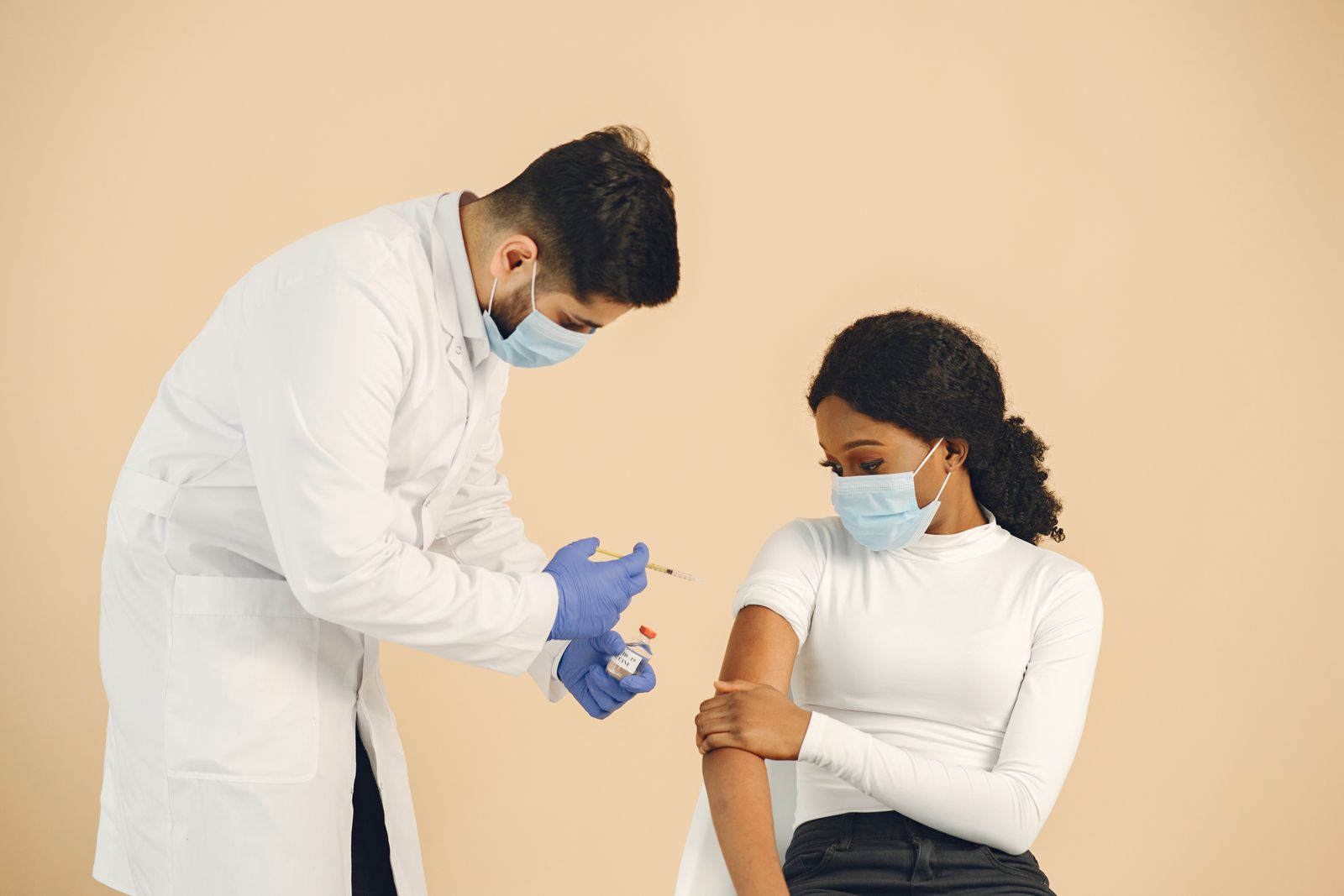
Key message: Pregnancy increases the risk of severe COVID illness compared with similar non-pregnant adults. Professional obstetric bodies support vaccination during pregnancy, while government eligibility, product choice and dose schedules now vary by country, season and risk group.
Get urgent help: Call emergency services for breathing difficulty, facial or tongue swelling, collapse or severe allergy after vaccination. COVID symptoms with chest pain, breathlessness, confusion, dehydration, reduced baby movements or rapid deterioration need urgent assessment.
Why is COVID important in pregnancy?
Pregnancy changes immune, heart and lung function and increases the chance of hospital admission and severe disease. Infection can also be associated with pregnancy complications, particularly when maternal illness is significant.
Risk varies with age, vaccination history, variant, medical conditions and time since the last dose or infection.
What do current professional recommendations say?
ACOG’s 2026 maternal schedule recommends an updated COVID vaccine in pregnancy and does not require waiting for a particular trimester. Other national programmes use shared clinical decision-making or restrict publicly funded seasonal doses to defined risk groups.
Medical safety recommendations should be distinguished from current programme eligibility and vaccine availability, which can change over time.
Is vaccination safe during pregnancy?
Large surveillance datasets for mRNA and other authorised non-live COVID vaccines have not shown a pattern of increased miscarriage, infertility or congenital anomalies from recommended vaccination.
The vaccine cannot cause COVID infection. Safety monitoring continues as products and schedules are updated.
When can it be given?
It can be administered in any trimester when recommended. Timing may consider the current respiratory season, time since infection or last dose, planned travel, medical risk and expected delivery.
There is no requirement to delay vaccination until after the first trimester solely because of pregnancy.
What if I recently had COVID?
Previous infection provides some temporary immunity but does not replace all future vaccination decisions. A delay after infection may be considered according to the current programme, illness severity and personal risk.
Do not vaccinate while acutely unwell with a high fever; arrange a later appointment.
What side effects are expected?
Paracetamol may be used for significant post-vaccine fever or pain when medically suitable. Do not use symptoms to delay assessment of a pregnancy complication.
- Pain, redness or swelling at the injection site.
- Fatigue, headache, muscle aches or chills.
- Mild fever for a short period.
- Rare severe allergic reaction.
- Rare product-specific adverse events that are considered by age, sex and vaccine type.
Can it be given with other vaccines?
COVID vaccine can generally be coadministered with other indicated non-live vaccines at separate sites. Scheduling may be separated for convenience, side-effect attribution or programme logistics.
Follow the current product and local programme rather than an outdated interval.
What about breastfeeding and fertility?
COVID vaccination is compatible with breastfeeding, and antibodies may be detectable in breast milk. It does not affect fertility.
Stopping breastfeeding is not required because of vaccination.
Why must the page be updated regularly?
Eligibility, products, dose intervals and seasonal campaigns have changed repeatedly. The page should display a review date and avoid a permanent statement that every pregnant patient is automatically eligible for a free dose in every season.
Current Egyptian recommendation and vaccine supply can change, so confirm the active local programme when arranging vaccination.
Frequently asked questions
Can the vaccine cause COVID?
No. Authorised pregnancy vaccines are non-live and cannot cause COVID infection.
Should I wait until the second trimester?
Not solely because of pregnancy; vaccination can be given in any trimester when recommended.
Does vaccination cause infertility?
No evidence supports an effect on fertility.
Do I need a dose after previous infection?
Possibly, depending on the current programme, timing and risk; infection does not permanently replace vaccination.
Can I breastfeed afterwards?
Yes. No interruption is required.
Your next step
Before booking a dose, confirm the current Egyptian or local programme, available product, eligibility, interval after previous doses or infection, and where vaccination is provided.
Medical and content review: Dr Mohamed Abdelghany, Obstetrics & Gynecology Specialist, MRCOG (UK), MSc Obstetrics & Gynecology – Kasr Al-Ainy, Cairo University.
Last reviewed: 23 August 2026.
This information is for general education and does not replace individual medical assessment.